Learn About Our Early Learning Program in Washington, DC
Help children build confidence, curiosity, and foundational skills for lifelong learning through our early learning program in Washington, DC. Our curriculum meets children where they are developmentally, with signature practices that build confidence and excitement about learning at every age and stage.
We understand that each family is different, and so are the children we serve. Thus, in addition to child care, we offer various programs on education, health, nutrition, and community engagement.
What We Offer
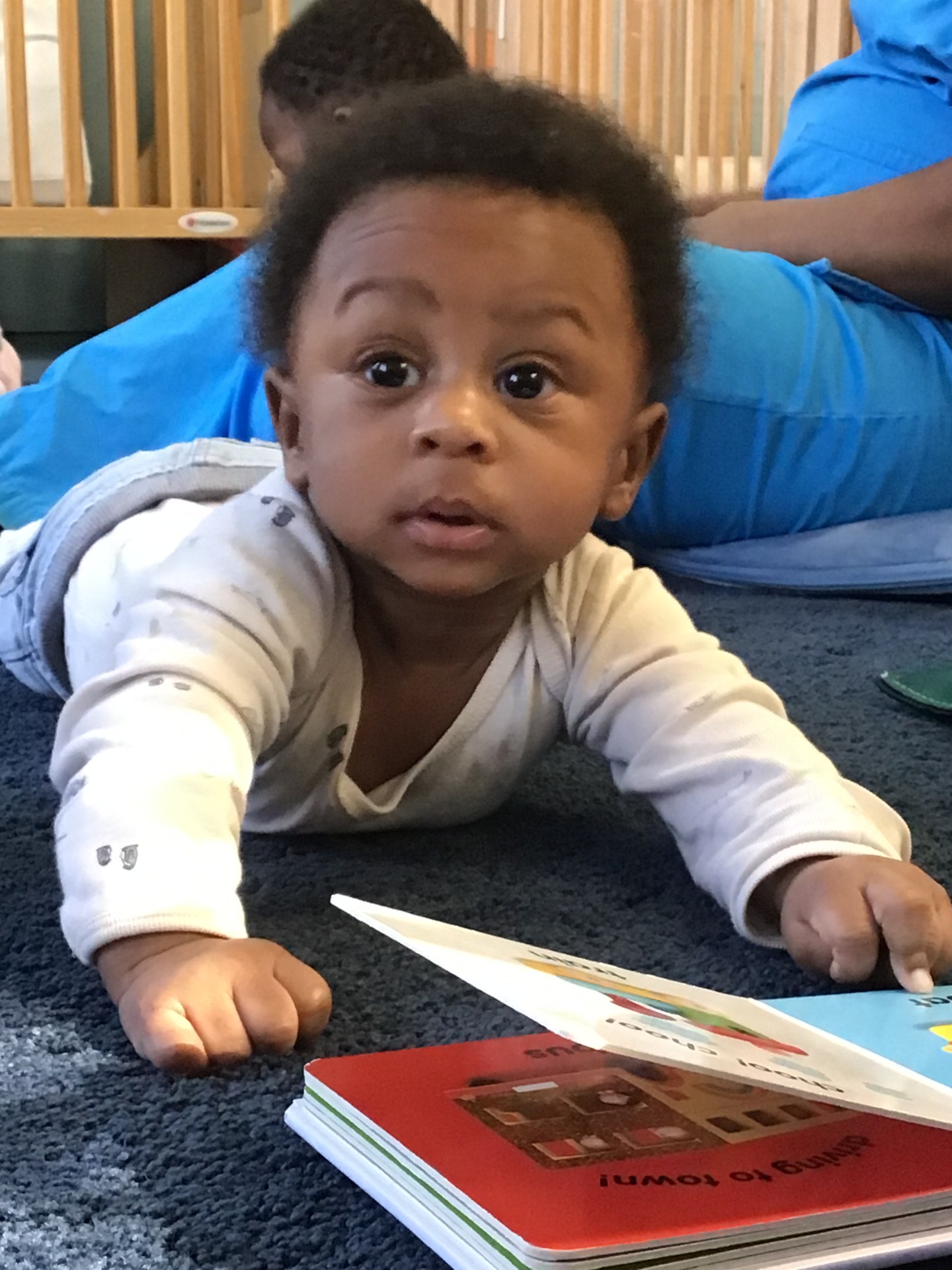
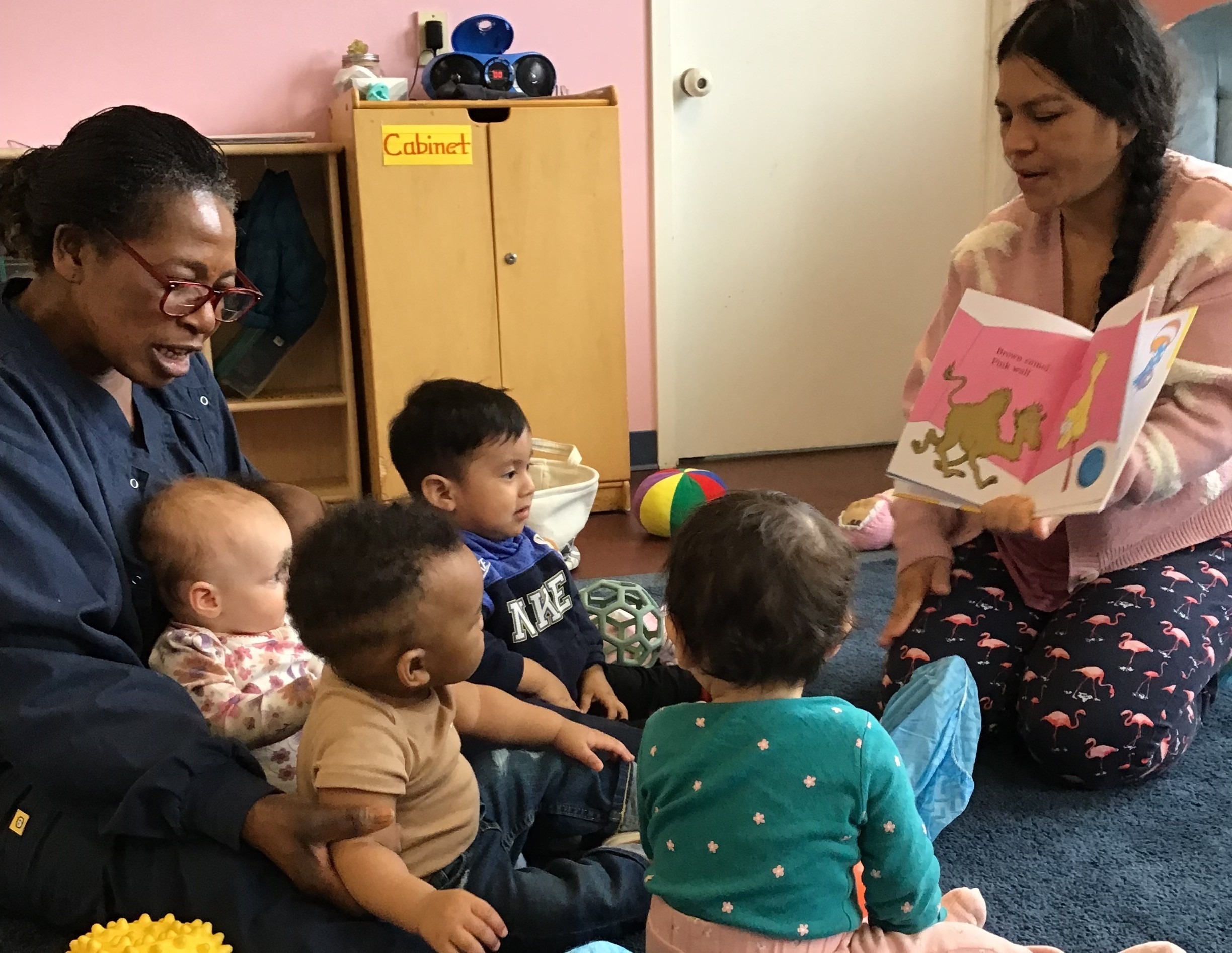
In our Infant pogram, children are made to feel safe, secure, and respected. We provide them with well-qualified, dynamic teachers, expository instruction, and opportunities to bond and develop with other children. Additionally, each child in the program is assigned a primary caregiver who will serve as a developmental guide and your main point of contact.
In our infant classroom, children will enjoy the following:
- A warm, nurturing classroom environment
- Responsive care and diverse experiences and exposures
- Developmentally stimulating activities with educational toys
- Immersive learning and intentional instruction
- A child-centered, play-based, and research-based curriculum
- Meaningful social interactions with teachers
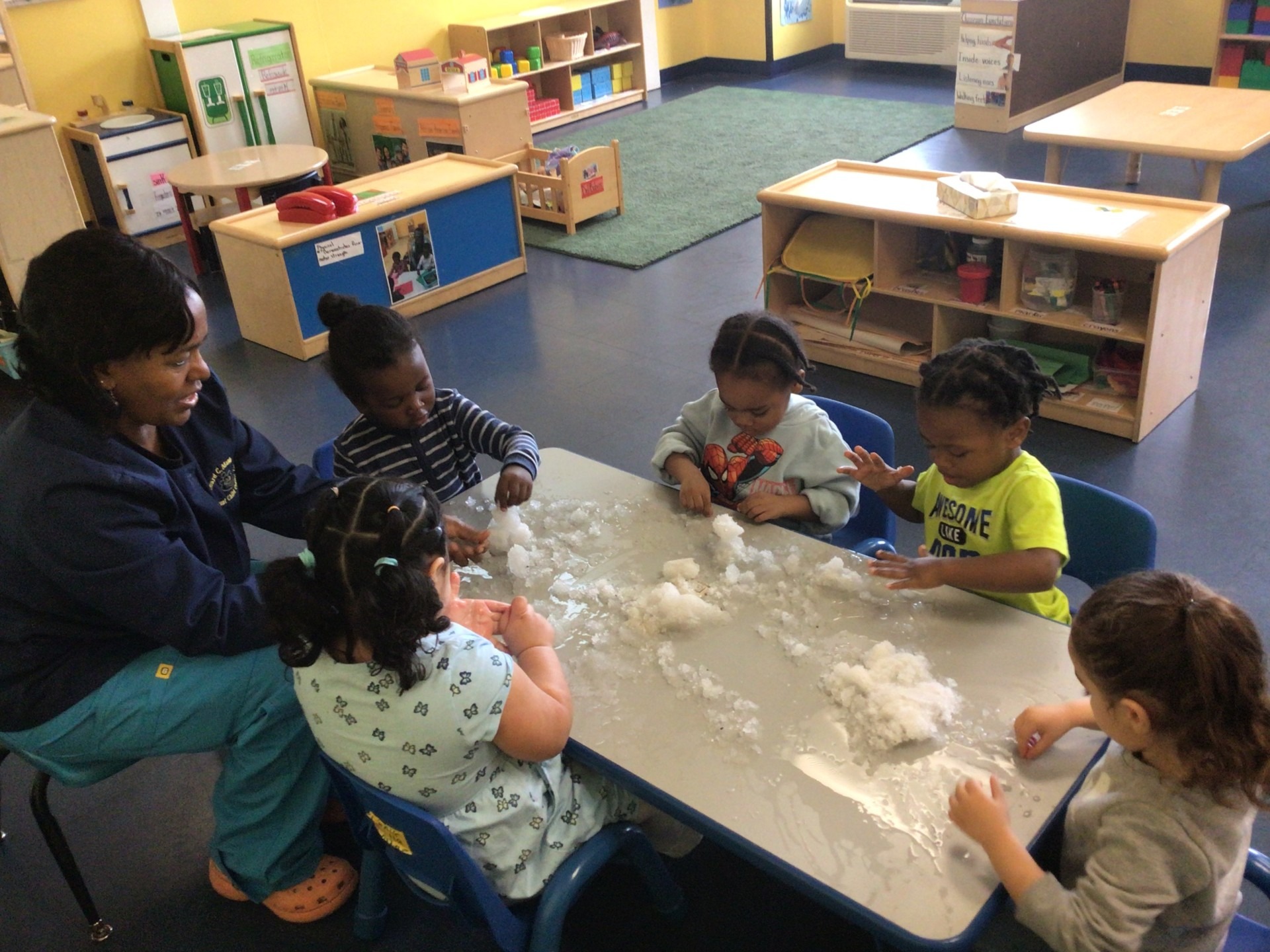
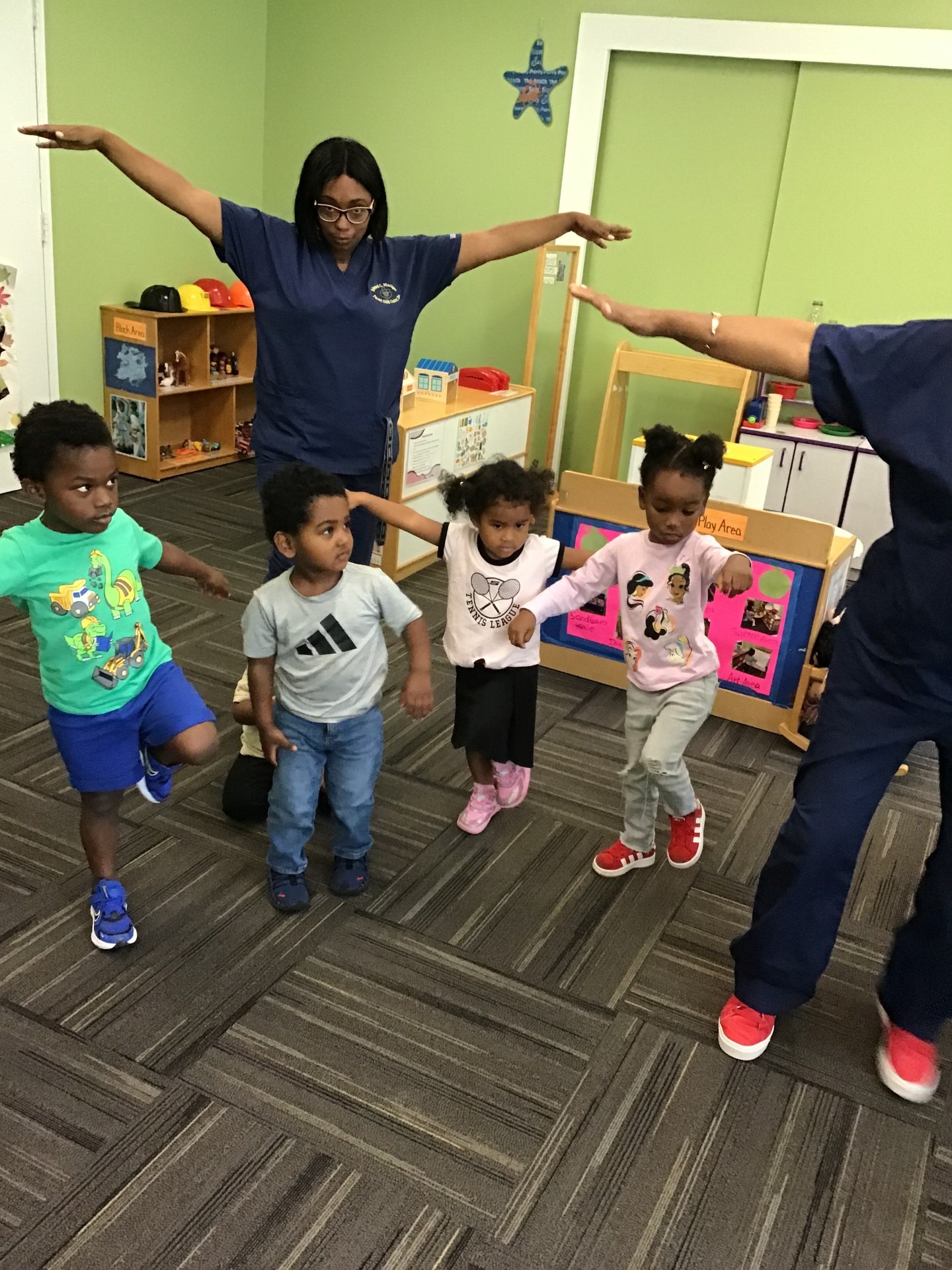
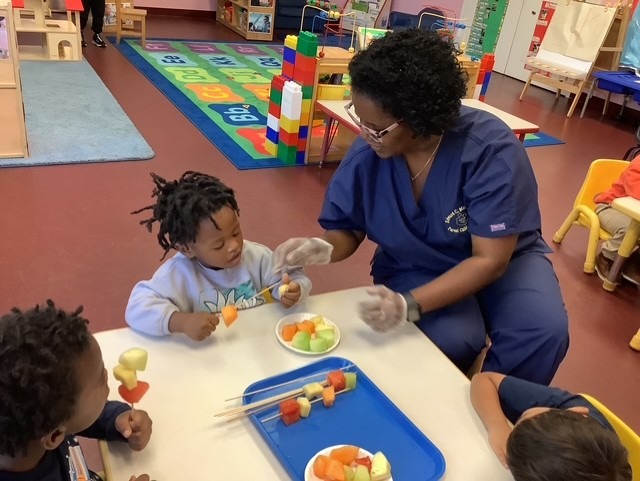
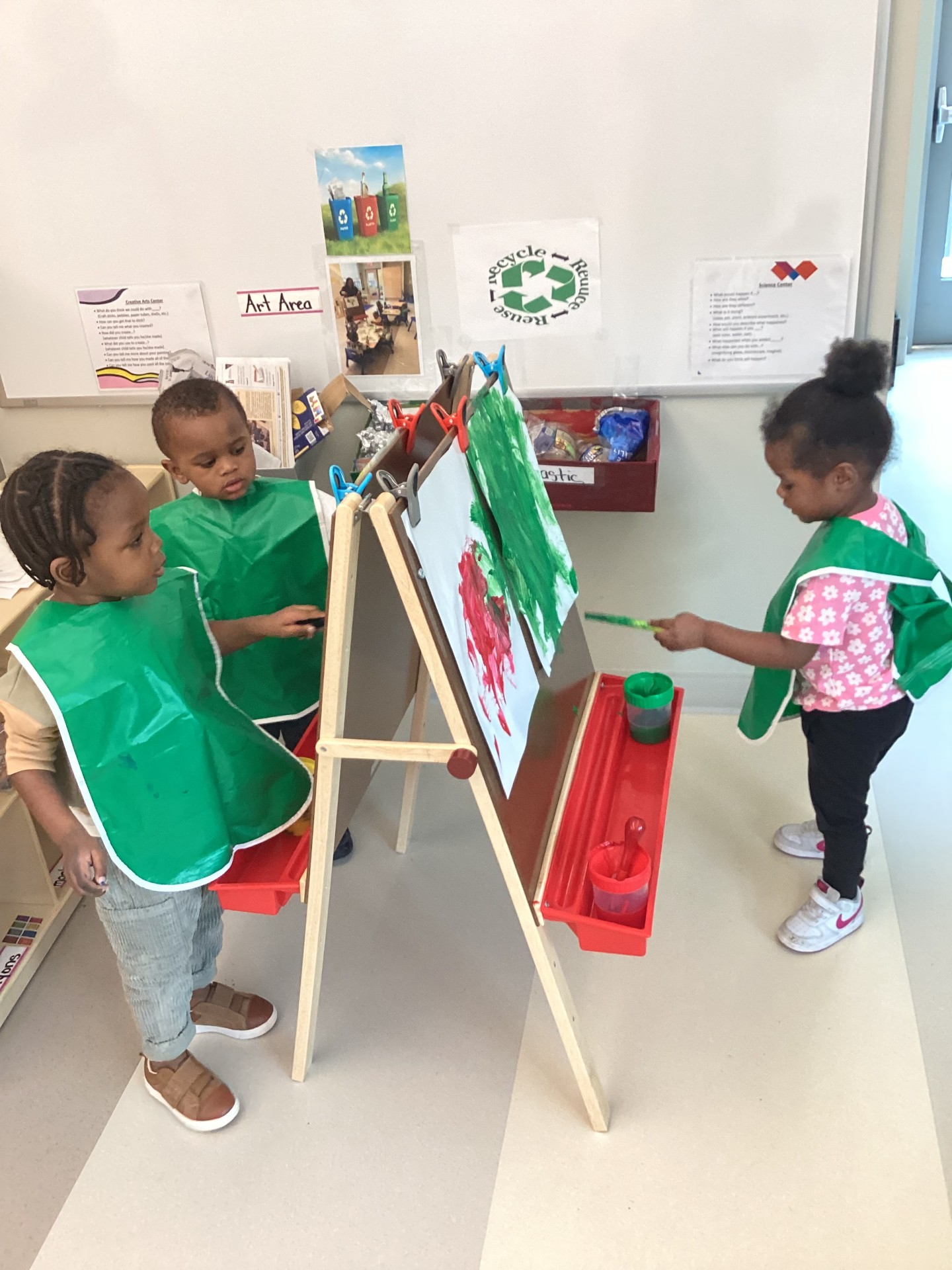
Children in our Toddler/Two-year-old program are growing and learning, so we channel their liveliness into positive learning experiences. A mobile, energetic two-year-old often sees the world as a personal playground. Thus, we utilize a mix of group and individualized educational approaches that focus on their enthusiasm and interests, turning these into opportunities for developmental growth and academic achievement. For the duration of the program, each child is given a primary caregiver who will guide their development and serve as their main point of contact.
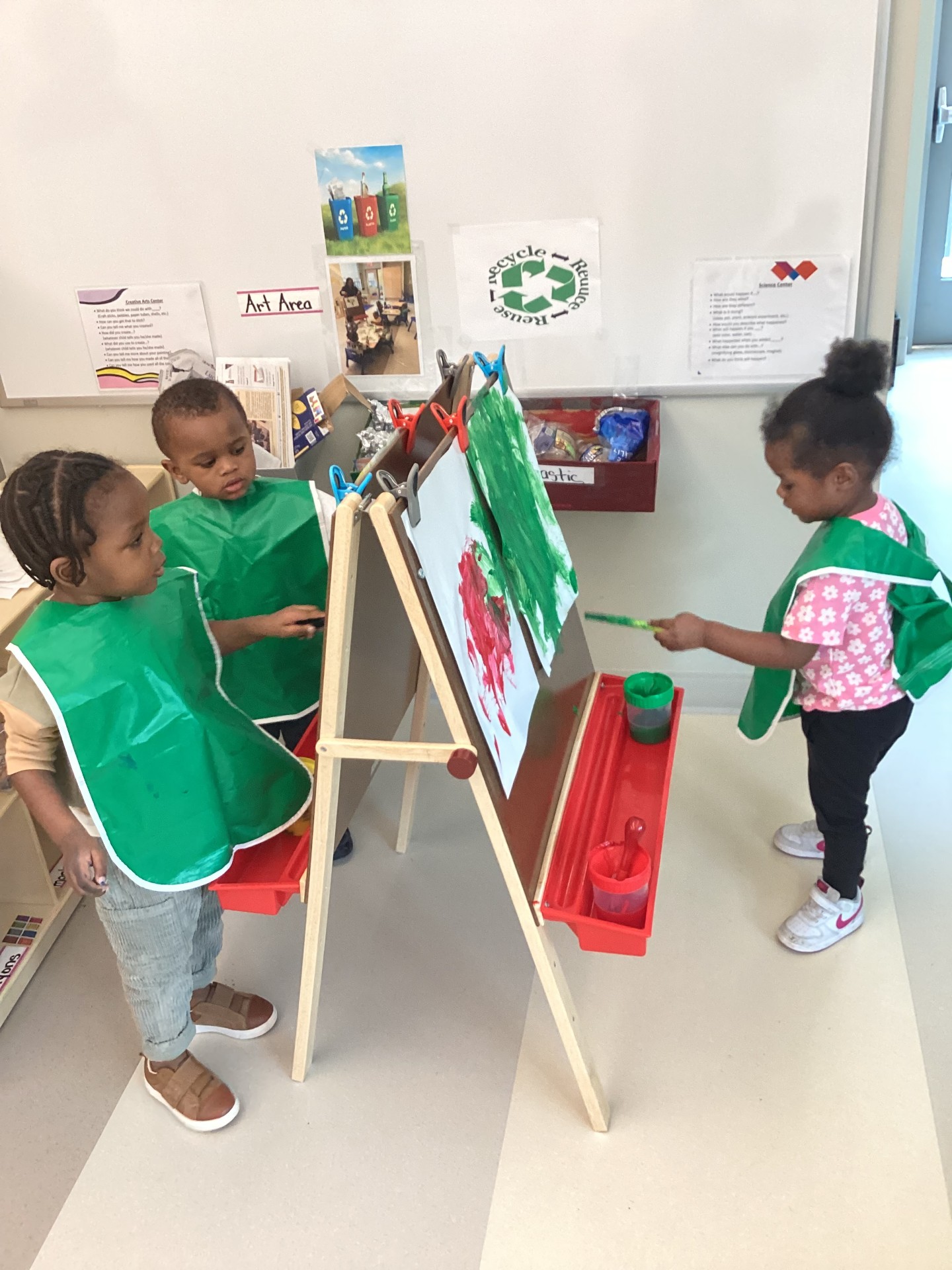
Under our Toddler and Two-Year-Old Classroom, children will get:
- A warm, nurturing classroom teacher
Stimulating material and classroom environments (for two-year-olds) - Responsive care and diverse exposures
- Developmentally motivating activities
- Developmentally and curriculum-aligned field experiences (for two-year-olds)
- Transitions into a structured and flexible routine (for two-year-olds)
- A child-centered, play and research-based curriculum
- Immersive learning and intentional instruction
- Interactive, tactile learning experiences
- Developmentally appropriate liberal arts and STEM subjects
Children in this program grow to be independent learners, problem solvers, creators, and critical thinkers, ready for lifelong learning and school. These children begin to develop mature abilities that enable them to collaborate with peers, follow directions, self-regulate, maintain routines, and build self-help skills.
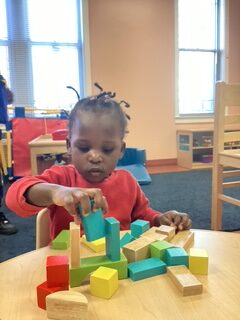
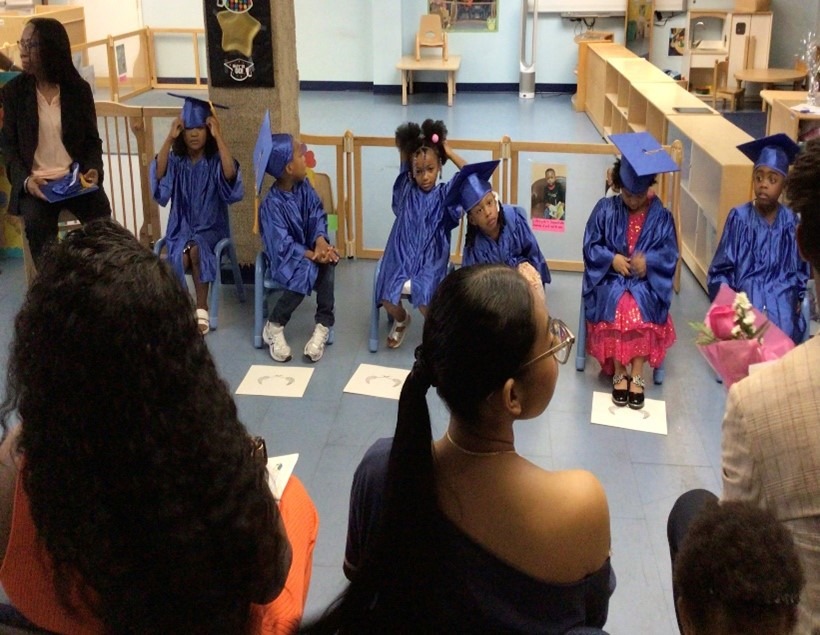
In our preschool classroom, children can expect:
- A stimulating material and classroom environment
- A children-centered, play-based, and research-based curriculum
- A curriculum that aligns content with the DC Common Core Standards and Head Start Early Learning Outcomes Framework
- Immersive learning and intentional instruction
- Opportunities to increase independence and build life skills
- Developmentally and curriculum-aligned field trip experiences
- Developmentally stimulating activities with educational tools and equipment
- A structured and flexible daily routine
- A collaborative learning environment
- Interactive, hands-on learning experiences
- Developmentally appropriate liberal arts and STEM subjects
- A balance of teacher-centered, child-led, individualized, independent, and real-world instruction.
Accreditation
For over 50 years, the Edward C. Mazique Parent Child Center, Inc. has been viewed as “The Next Best Place to Home…Where We Are Doing What Is Best For Children!” Our research-based curriculum explains and guides our staff in delivering high-quality, developmentally appropriate programs that meet local and national standards. We meet and maintain these standards through the District of Columbia’s Capital Quality Rating Improvement System (QRIS). As the Capital Quality system is public-facing, it allows parents to review and compare the program quality of various child development providers throughout the district, helping them make informed decisions on where to enroll their child.
Research has shown a direct correlation between high-quality early learning and children’s positive long-term outcomes, including increased educational attainment, healthier lifestyles, and more successful careers. NAEYC accreditation helps teachers and staff of early learning programs develop a shared understanding and commitment to quality.
Community Partners
The Edward C. Mazique Parent Child Center, Inc. collaborates with local, educational, government, and nonprofit organizations to provide high-quality comprehensive child development and family engagement services.
Government Partners


Education Partners


Community Partners

UPO Foster Grandparent Program
The United Planning Organization (UPO) Foster Grandparent Program seeks to provide opportunities for persons 55 and older to make a difference in the life of a child. Volunteers provide assistance and support in the classroom.

Maret School
Maret School is an independent, co-ed, college-preparatory day school in Washington, DC, conducting weekly Read-Alouds with preschoolers to enhance their language and literacy skills.

UDC Nursing Program
Nursing students conduct clinical rotations across our centers, focusing on health education and recording patient heights, weights, BP, head circumference, etc.
Howard University College of Medicine
A longstanding volunteer pediatrician provides weekly health visits and consultations for enrolled children.

Georgetown University School of Medicine
Medical students participating in the Community-Based Learning (CBL) engage in learning about children’s growth and development and provide support in engaging parents in literacy, health promotion, and nutrition activities.
Early Childhood Mental Health and Early Intervention Partners

Healthy Futures Program
Provides early childhood mental health consultation program for children from birth to age five, including child development support for teachers and families; family consultation; and play therapy.
Strong Start DC Early Intervention Program
Provides free early intervention services for children ages birth to three with developmental delays or disabilities and their families.
Early Stages
An early intervention evaluation center with DC Public Schools that provides services for children aged 2 years and 8 months to 5 years and 10 months old.

FirstPlay Infant Storytelling Program
Provides parent-infant play therapy using an attachment-based model for ages birth to six years old to support parent-child attachment and bonding, and promotes infant and child mental health.

Georgetown University Thrive Center for Children, Families, and Communities
Georgetown University Project LAUNCH increases the quantity and quality of mental health screening, prevention, and promotion of services in Early Childhood Education (ECE) and Primary Pediatric Care (PPC) settings. It also trains ECE staff and parents/caregivers of young children to provide family-facing prevention and promotion interventions such as Strengthening Family Coping Resources (SFCR) peer-to-peer groups.